
The Best Cashback Credit Cards in the U.S. (2026 Edition)
Cashback credit cards can help consumers earn rewards on everyday spending. Learn how cashback cards work, the different reward structures available, and what features to consider when choosing the best cashback credit card in 2026.
Table of Contents
- Quick Answer
- What Is a Cashback Credit Card?
- Why Cashback Cards Matter
- How Cashback Credit Cards Work
- Flat-Rate Cashback
- Tiered Cashback
- Rotating Categories
- Types of Cashback Cards
- Flat-Rate Cards
- Grocery Cashback Cards
- Gas Rewards Cards
- Dining Rewards Cards
- Premium Cashback Cards
- Benefits
- Earn Rewards on Everyday Spending
- Flexible Redemption Options
- No Investment Risk
- Valuable Welcome Bonuses
- Consumer Protections
- Risks and Drawbacks
- High Interest Rates
- Overspending
- Annual Fees
- Complex Reward Structures
- Credit Score Impact
- How to Choose the Right Cashback Card
- Analyze Spending Habits
- Compare Reward Rates
- Evaluate Fees
- Review Redemption Options
- Consider Credit Requirements
- Real-Life Example
- Common Mistakes
- Carrying a Balance
- Chasing Rewards
- Ignoring Fees
- Missing Payments
- Applying for Too Many Cards
- Frequently Asked Questions
- Are cashback credit cards worth it?
- Is cashback taxable?
- Do cashback rewards expire?
- What credit score is needed?
- Can cashback cards help build credit?
- Bottom Line
- Related Articles
- Recommended Categories
The Best Cashback Credit Cards in the U.S. (2026 Edition)
Credit cards have evolved far beyond simple payment tools.
Today, many consumers use cashback credit cards to earn rewards on purchases they would make anyway. Whether buying groceries, filling up the gas tank, dining out, or shopping online, cashback cards can provide meaningful savings throughout the year.
In 2026, competition among card issuers remains strong, giving consumers access to generous rewards programs, sign-up bonuses, and valuable perks.
However, not all cashback cards are created equal.
Understanding how these cards work can help you maximize rewards while avoiding costly mistakes.
Quick Answer
The best cashback credit cards offer a combination of:
-
Competitive cashback rates
-
Low or no annual fees
-
Flexible redemption options
-
Valuable bonus categories
-
Strong customer protections
The right card depends on your spending habits and financial goals.
What Is a Cashback Credit Card?
A cashback credit card rewards cardholders by returning a percentage of eligible purchases as cash rewards.
For example:
-
Spend $100
-
Earn 2% cashback
-
Receive $2 in rewards
Over time, these rewards can add up significantly.
Most cashback programs allow rewards to be redeemed as:
-
Statement credits
-
Bank deposits
-
Gift cards
-
Travel rewards
-
Shopping credits
Why Cashback Cards Matter
Many Americans already use credit cards for routine purchases.
A cashback card allows consumers to earn rewards without changing spending habits.
Benefits include:
-
Extra savings
-
Greater purchasing power
-
Flexible reward redemption
-
Enhanced purchase protections
When used responsibly, cashback rewards can reduce the effective cost of everyday expenses.
How Cashback Credit Cards Work
Card issuers share a portion of transaction revenue with cardholders.
The percentage returned varies depending on the card.
Common reward structures include:
Flat-Rate Cashback
A fixed percentage on all purchases.
Example:
- 2% on everything
Tiered Cashback
Higher rewards in specific categories.
Example:
-
3% dining
-
3% groceries
-
1% all other purchases
Rotating Categories
Bonus categories change periodically.
Example:
-
Gas stations one quarter
-
Restaurants the next
These cards often require more active management.
Types of Cashback Cards
Flat-Rate Cards
Best for simplicity.
Ideal for consumers who prefer predictable rewards.
Grocery Cashback Cards
Designed for households with significant grocery spending.
Gas Rewards Cards
Popular among commuters and frequent drivers.
Dining Rewards Cards
Focused on restaurants and food delivery.
Premium Cashback Cards
May include annual fees but offer enhanced rewards and benefits.
Benefits
Earn Rewards on Everyday Spending
Cashback is generated from purchases many consumers already make.
Flexible Redemption Options
Most programs provide multiple redemption choices.
No Investment Risk
Unlike stocks or other investments, cashback rewards are earned immediately.
Valuable Welcome Bonuses
Some cards offer introductory rewards for new cardholders.
Consumer Protections
Many cards include:
-
Fraud protection
-
Purchase protection
-
Extended warranties
Risks and Drawbacks
High Interest Rates
Carrying a balance can quickly eliminate cashback benefits.
Overspending
Rewards may encourage unnecessary purchases.
Annual Fees
Some premium cards charge annual fees.
Complex Reward Structures
Certain programs require active management.
Credit Score Impact
Responsible use is essential for maintaining healthy credit.
How to Choose the Right Cashback Card
Analyze Spending Habits
Review where most of your money goes.
Common categories include:
-
Groceries
-
Gas
-
Dining
-
Travel
-
Online shopping
Compare Reward Rates
Higher percentages can generate greater long-term value.
Evaluate Fees
Ensure rewards exceed any annual fee.
Review Redemption Options
Choose programs that fit your preferences.
Consider Credit Requirements
Some premium cards require excellent credit scores.
Real-Life Example
Imagine Sarah spends:
-
$600 monthly on groceries
-
$300 on dining
-
$200 on gas
Using a cashback card that rewards these categories could generate hundreds of dollars annually.
Because these purchases were already part of her budget, the rewards represent additional value without increasing spending.
Common Mistakes
Carrying a Balance
Interest charges can easily exceed cashback earnings.
Chasing Rewards
Never spend money solely to earn rewards.
Ignoring Fees
Annual fees can reduce net benefits.
Missing Payments
Late payments may result in fees and credit score damage.
Applying for Too Many Cards
Multiple applications can impact credit reports.
Frequently Asked Questions
Are cashback credit cards worth it?
For responsible users who pay balances in full, cashback cards can provide significant value.
Is cashback taxable?
Generally, cashback rewards are considered rebates rather than taxable income.
Do cashback rewards expire?
Policies vary by issuer.
What credit score is needed?
Requirements differ by card, though better rewards often require stronger credit.
Can cashback cards help build credit?
Yes, responsible use can contribute positively to credit history.
Bottom Line
Cashback credit cards remain one of the simplest ways to earn rewards on everyday spending in 2026.
When used responsibly, they can provide meaningful savings, flexible rewards, and valuable consumer protections.
The best card is not necessarily the one with the highest advertised reward rate.
Instead, it's the card that aligns with your spending habits, financial goals, and ability to manage credit responsibly.
Used wisely, a cashback card can become a valuable tool in your overall financial strategy.
Related Articles
-
The 50/30/20 Budget Rule Explained
-
High-Yield Savings Accounts: Are They Worth It in 2026?
-
How to Build a 6-Month Emergency Fund in 2026
Recommended Categories
-
Credit Cards
-
Personal Finance
-
Budgeting
Frequently Asked Questions
Common questions about credit cards.
Written by
FPG Editorial Team
Personal finance writers, editors and fact-checkers. Read about our editorial standards.
Share this article
Related Articles
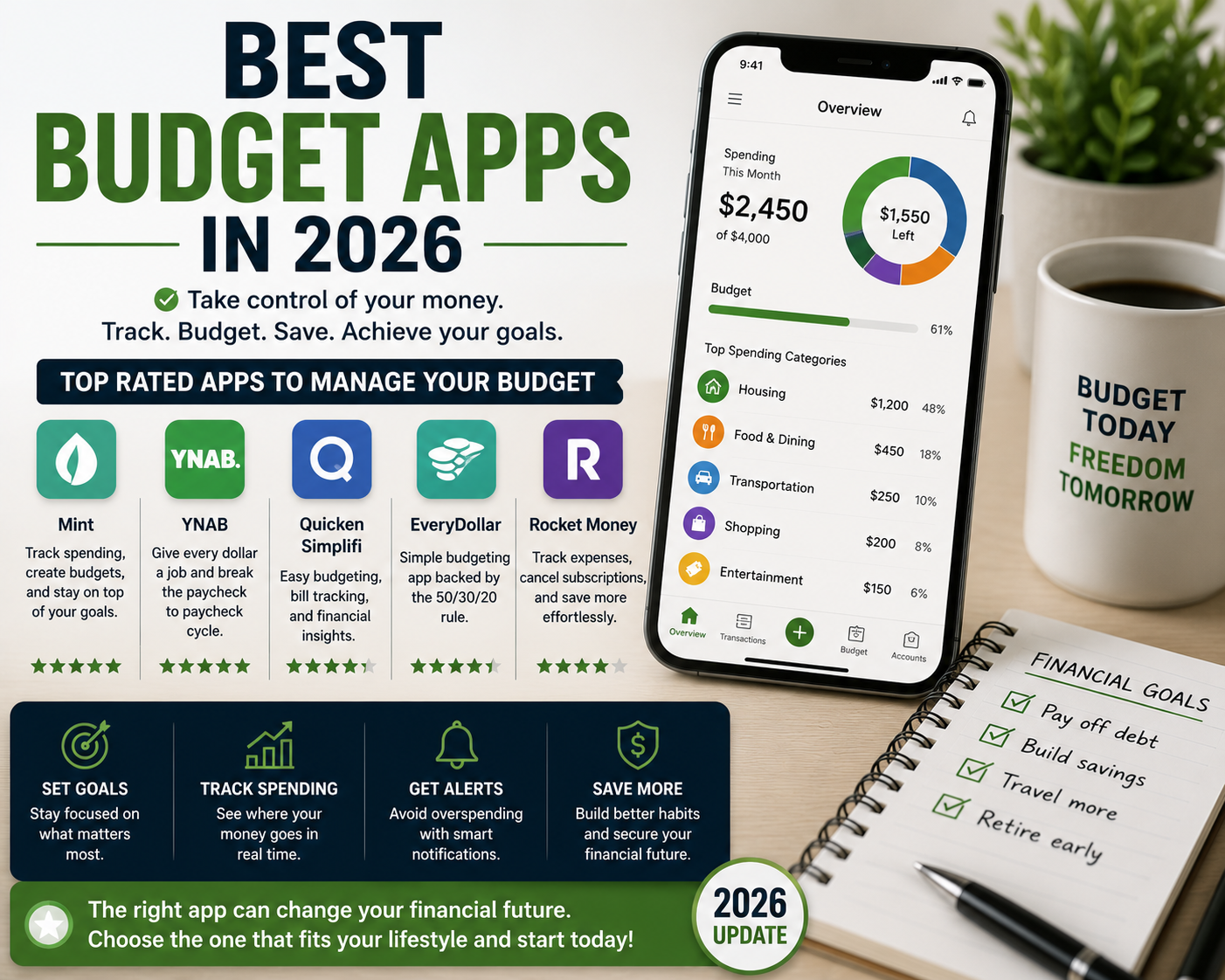
The Best Budgeting Apps of 2026: Mastering Your Money in the Digital Age
Navigating personal finance in 2026 requires more than just a spreadsheet. We review the top budget apps helping Americans combat inflation and reach financial independence today.
Read More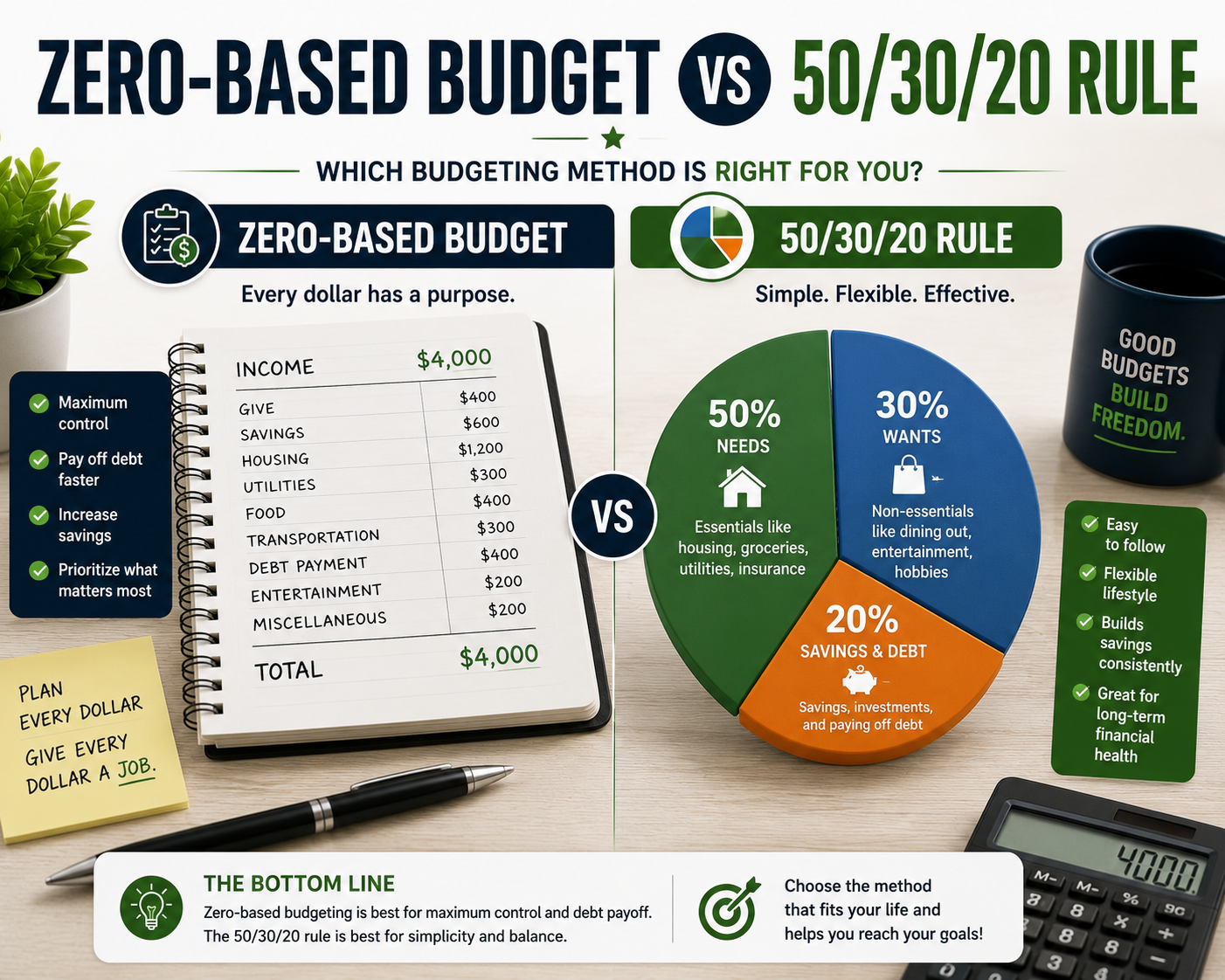
Zero-Based Budget vs. 50/30/20 Rule: Choosing the Best Framework for 2026
In the evolving economic landscape of 2026, choosing between a Zero-Based Budget and the 50/30/20 Rule depends on your financial granularity. Discover which system offers the stability you need.
Read More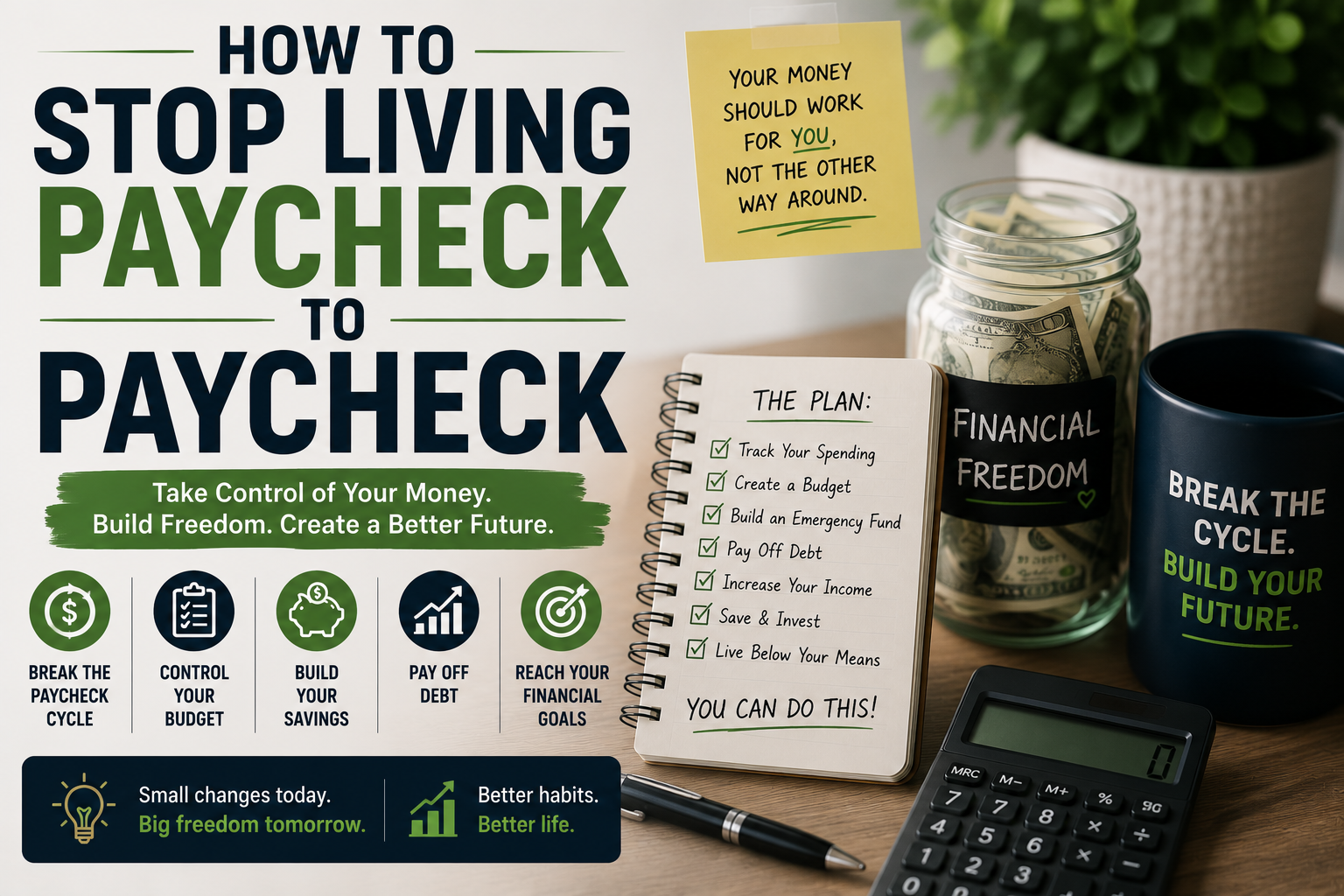
How to Stop Living Paycheck to Paycheck: A Strategic Financial Guide for 2026
Living paycheck to paycheck remains a reality for more than half of Americans. In 2026, shifting economic landscapes require a tactical approach to cash flow management, automated savings, and strategic debt reduction to secure lasting financial freedom.
Read MoreRecommended Guides
Pick a financial goal and follow our step-by-step roadmap.
Popular Resources
Free calculators, templates and trusted finance tools.
Join Thousands of Readers Building Wealth Smarter
Get weekly financial insights, investing strategies, money-saving tips, and wealth-building guidance delivered directly to your inbox.
- Double opt-in
- No spam, ever
- Unsubscribe anytime