
How to Retire Early: Understanding the FIRE Movement in 2026
The FIRE movement has inspired millions to pursue financial independence and early retirement. Learn how FIRE works, its benefits, risks, and the practical steps you can take to achieve financial freedom in 2026.

Table of Contents
- Quick Answer
- What Is the FIRE Movement?
- Financial Independence
- Retire Early
- Why It Matters
- How FIRE Works
- Increase Income
- Reduce Expenses
- Invest Consistently
- Build Passive Income
- Types of FIRE
- Lean FIRE
- Traditional FIRE
- Fat FIRE
- Coast FIRE
- Benefits
- Greater Freedom
- Reduced Financial Stress
- Flexibility
- Earlier Retirement Options
- Risks and Drawbacks
- Burnout
- Market Risk
- Inflation
- Lifestyle Sacrifices
- Step-by-Step Guide
- Step 1: Calculate Annual Expenses
- Step 2: Set a FIRE Number
- Step 3: Increase Savings Rate
- Step 4: Invest Consistently
- Step 5: Reduce High-Interest Debt
- Step 6: Stay Patient
- Real-Life Example
- Common Mistakes
- Chasing Unrealistic Timelines
- Ignoring Quality of Life
- Taking Excessive Investment Risk
- Underestimating Future Expenses
- Lack of Diversification
- Frequently Asked Questions
- What does FIRE stand for?
- Is FIRE realistic for average earners?
- Do FIRE followers stop working completely?
- What investments are commonly used for FIRE?
- How long does it take to achieve FIRE?
- Bottom Line
- Related Articles
- Recommended Categories
How to Retire Early: Understanding the FIRE Movement in 2026
For decades, retirement followed a predictable path.
Most people worked until their 60s, collected retirement benefits, and then began enjoying financial freedom later in life.
The FIRE movement challenged that traditional approach.
FIRE stands for Financial Independence, Retire Early.
Its goal is simple: save and invest aggressively so you can achieve financial independence years or even decades before the traditional retirement age.
Over the past decade, FIRE has gained popularity among investors, professionals, entrepreneurs, and anyone seeking greater control over their time and financial future.
Quick Answer
The FIRE movement is a financial strategy focused on saving and investing a large percentage of income to achieve financial independence as early as possible.
Many FIRE followers aim to save between 50% and 70% of their income while investing consistently in diversified assets.
Once their investments can cover living expenses, they may choose to retire early or pursue work on their own terms.
What Is the FIRE Movement?
The FIRE movement combines two financial goals:
Financial Independence
Having enough investments and passive income to cover living expenses without relying on employment.
Retire Early
Leaving traditional full-time work earlier than most people.
For some, retirement may occur in their 40s or 50s.
Others simply use financial independence to gain flexibility and freedom.
Why It Matters
Many people feel trapped by:
-
Living paycheck to paycheck
-
Rising expenses
-
Job dissatisfaction
-
Lack of financial security
The FIRE philosophy encourages intentional spending and long-term investing.
Its purpose is not necessarily to stop working forever.
Instead, it aims to create freedom of choice.
How FIRE Works
The strategy generally follows four steps:
Increase Income
Growing earnings through careers, businesses, or side hustles.
Reduce Expenses
Maintaining a lifestyle below income levels.
Invest Consistently
Investing surplus cash into diversified assets.
Build Passive Income
Allowing investments to generate enough income to support living expenses.
Over time, the gap between income and expenses creates financial independence.
Types of FIRE
Lean FIRE
A minimalist lifestyle with relatively low living expenses.
Traditional FIRE
A balanced approach between saving and spending.
Fat FIRE
Aiming for financial independence while maintaining a higher standard of living.
Coast FIRE
Accumulating enough investments early, then allowing compound growth to finish the job.
Benefits
Greater Freedom
You gain more control over your time.
Reduced Financial Stress
Savings and investments provide security.
Flexibility
You can choose different career paths without financial pressure.
Earlier Retirement Options
Financial independence creates opportunities unavailable to most workers.
Risks and Drawbacks
Burnout
Aggressive saving may become difficult to sustain.
Market Risk
Investment portfolios can fluctuate.
Inflation
Future expenses may be higher than expected.
Lifestyle Sacrifices
Some FIRE followers struggle to balance present enjoyment with future goals.
Step-by-Step Guide
Step 1: Calculate Annual Expenses
Determine how much money you spend each year.
Step 2: Set a FIRE Number
Estimate the investment portfolio required to support those expenses.
Step 3: Increase Savings Rate
Aim to save a larger percentage of income.
Step 4: Invest Consistently
Use diversified investments such as ETFs and index funds.
Step 5: Reduce High-Interest Debt
Debt reduction accelerates progress toward independence.
Step 6: Stay Patient
FIRE is a long-term strategy, not a quick shortcut.
Real-Life Example
Imagine Sarah earns $80,000 annually.
She saves 50% of her income and invests consistently in low-cost index funds.
Over time, her investment portfolio grows while her expenses remain controlled.
Years before traditional retirement age, her investments may generate enough income to support her lifestyle.
At that point, she gains the freedom to retire, work part-time, start a business, or pursue personal interests.
Common Mistakes
Chasing Unrealistic Timelines
Financial independence takes time.
Ignoring Quality of Life
Saving aggressively should not eliminate all enjoyment.
Taking Excessive Investment Risk
High-risk strategies can backfire.
Underestimating Future Expenses
Healthcare and inflation should be considered.
Lack of Diversification
A diversified portfolio remains important.
Frequently Asked Questions
What does FIRE stand for?
Financial Independence, Retire Early.
Is FIRE realistic for average earners?
Yes, although timelines vary depending on income, expenses, and savings rates.
Do FIRE followers stop working completely?
Not always. Many continue working by choice.
What investments are commonly used for FIRE?
Broad-market ETFs, index funds, retirement accounts, and diversified portfolios.
How long does it take to achieve FIRE?
The timeline depends on income, spending, investment returns, and savings rates.
Bottom Line
The FIRE movement offers a powerful framework for achieving financial independence and creating more freedom in life.
While early retirement may not be everyone's goal, the principles of saving, investing, and intentional spending can benefit almost anyone.
Whether you retire at 45, 55, or 65, pursuing financial independence can provide greater security, flexibility, and peace of mind.
Related Articles
-
How to Start Investing With $100
-
Best ETFs for Beginners in 2026
-
What Is a Roth IRA? A Beginner's Guide for 2026
Recommended Categories
-
Passive Income
-
Investing
-
Personal Finance
Frequently Asked Questions
Common questions about passive income.
Written by
FPG Editorial Team
Personal finance writers, editors and fact-checkers. Read about our editorial standards.
Share this article
Related Articles
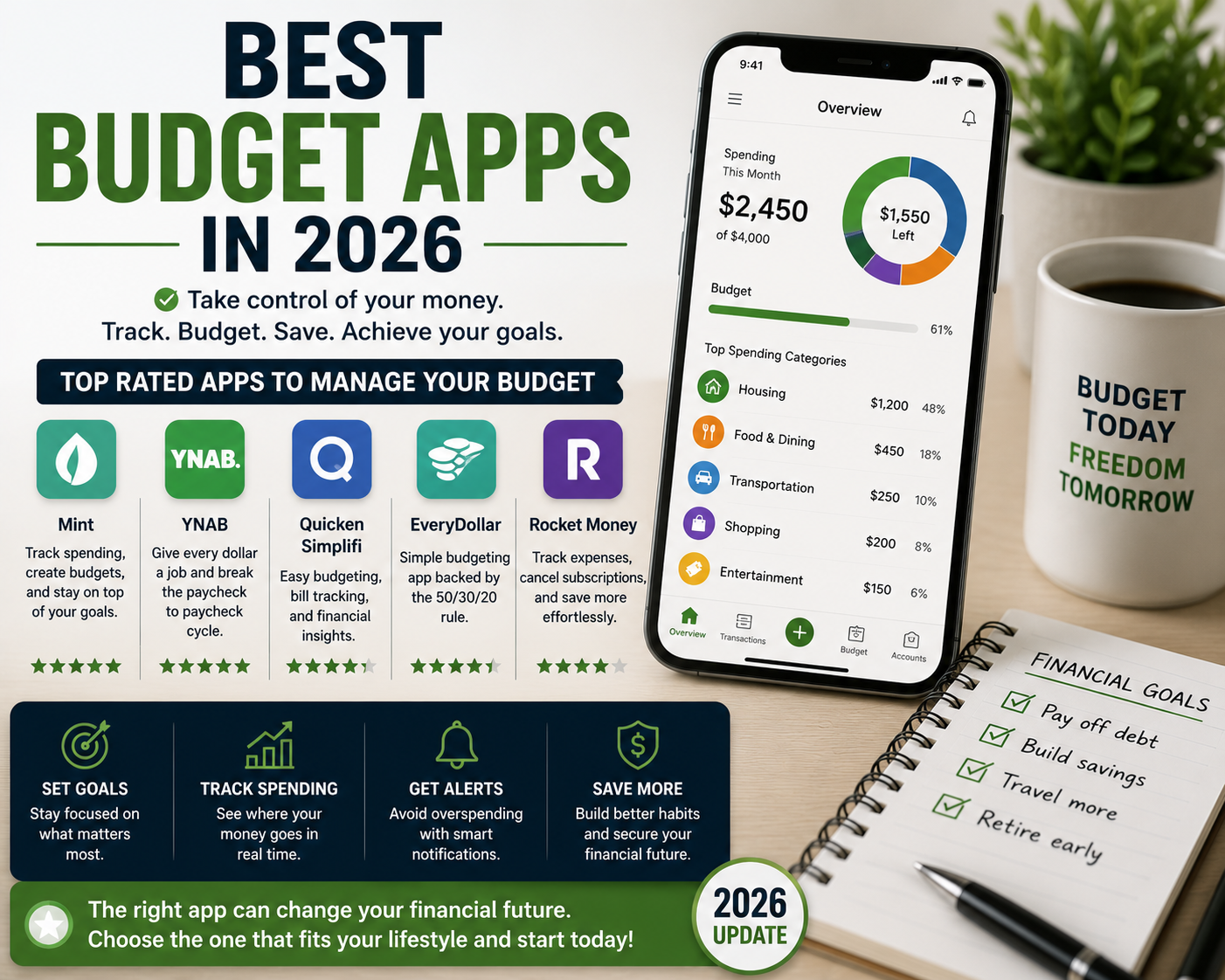
The Best Budgeting Apps of 2026: Mastering Your Money in the Digital Age
Navigating personal finance in 2026 requires more than just a spreadsheet. We review the top budget apps helping Americans combat inflation and reach financial independence today.
Read More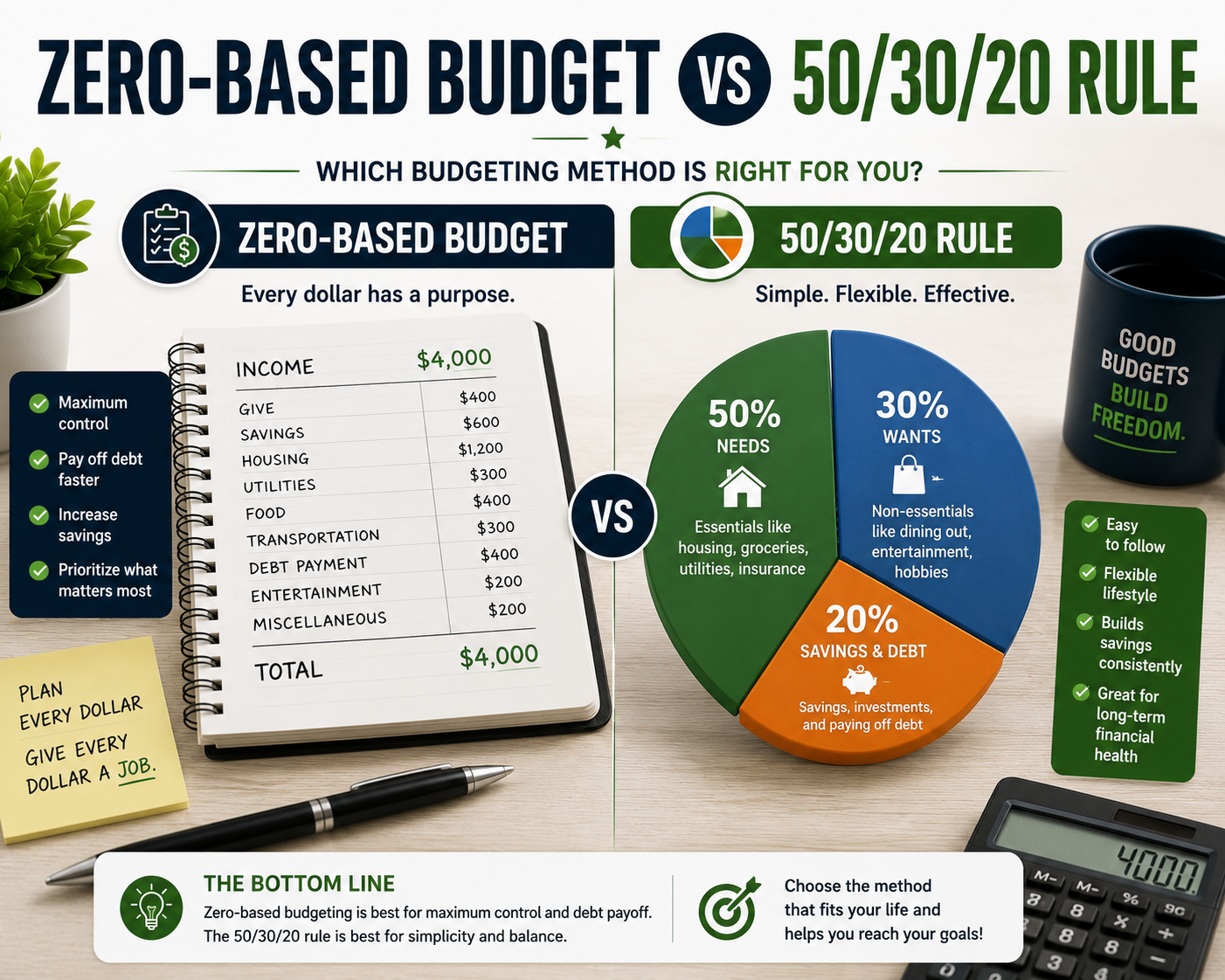
Zero-Based Budget vs. 50/30/20 Rule: Choosing the Best Framework for 2026
In the evolving economic landscape of 2026, choosing between a Zero-Based Budget and the 50/30/20 Rule depends on your financial granularity. Discover which system offers the stability you need.
Read More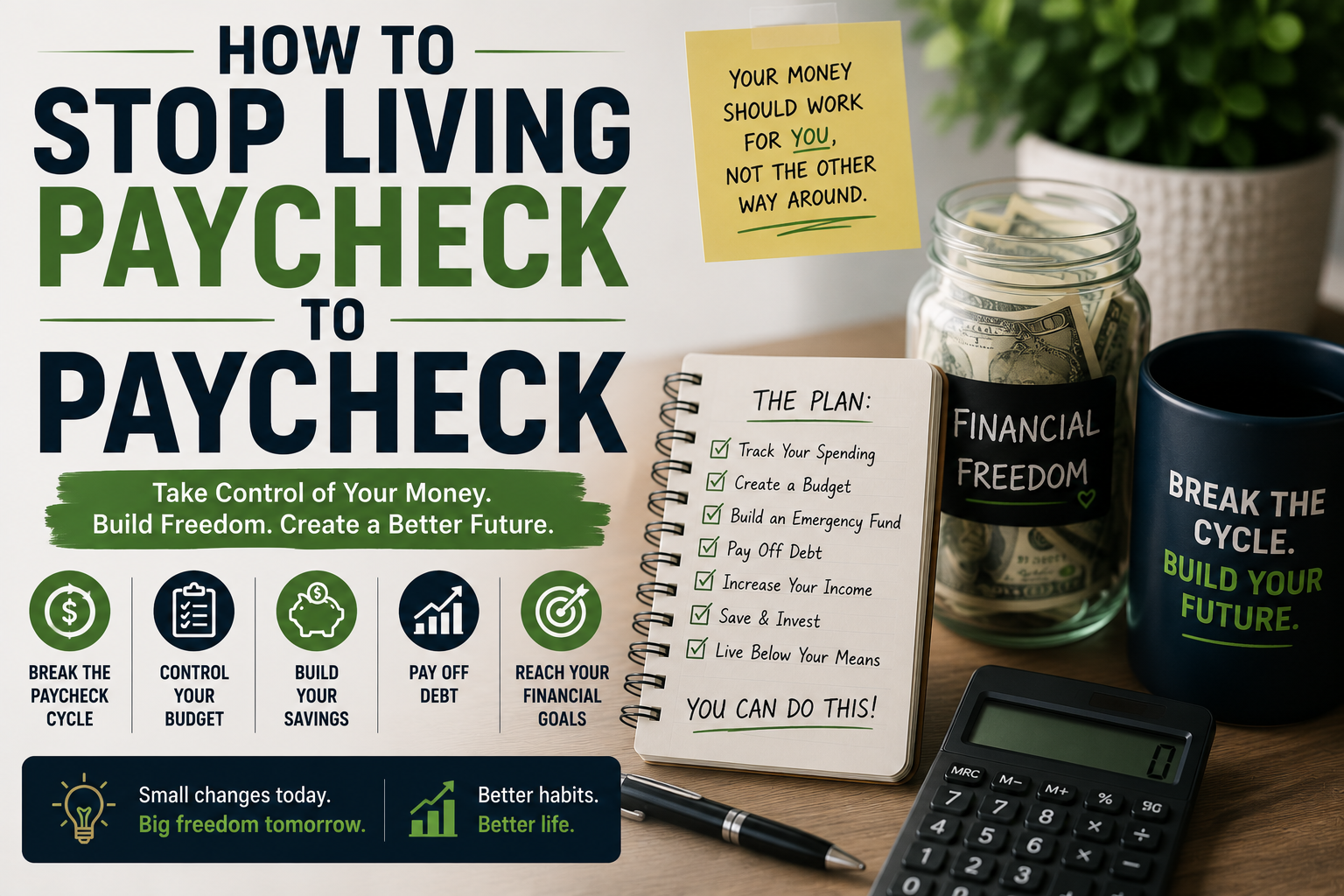
How to Stop Living Paycheck to Paycheck: A Strategic Financial Guide for 2026
Living paycheck to paycheck remains a reality for more than half of Americans. In 2026, shifting economic landscapes require a tactical approach to cash flow management, automated savings, and strategic debt reduction to secure lasting financial freedom.
Read MoreRecommended Guides
Pick a financial goal and follow our step-by-step roadmap.
Popular Resources
Free calculators, templates and trusted finance tools.
Join Thousands of Readers Building Wealth Smarter
Get weekly financial insights, investing strategies, money-saving tips, and wealth-building guidance delivered directly to your inbox.
- Double opt-in
- No spam, ever
- Unsubscribe anytime