
How to Start Investing With $100 in 2026
Think you need thousands of dollars to start investing? Think again. Learn how to begin investing with just $100, choose the right accounts and investments, and build long-term wealth through consistency and compound growth.

Table of Contents
- Quick Answer
- Why Starting Matters More Than Amount
- What Is Compound Growth?
- Best Investment Options for $100
- Broad Market ETFs
- Index Funds
- Fractional Shares
- Roth IRA
- What to Avoid
- Penny Stocks
- Get-Rich-Quick Investments
- Excessive Trading
- Concentrating on One Company
- Step-by-Step Guide
- Step 1: Build a Small Emergency Fund
- Step 2: Open a Brokerage Account
- Step 3: Deposit Your First $100
- Step 4: Choose a Diversified ETF
- Step 5: Set Up Automatic Contributions
- Step 6: Stay Consistent
- Example Portfolio for Beginners
- Option 1: Simple ETF Portfolio
- Option 2: Diversified Portfolio
- Option 3: Retirement Focus
- Real-Life Example
- Common Mistakes
- Waiting Too Long
- Chasing Trends
- Checking the Market Constantly
- Ignoring Fees
- Selling During Market Declines
- Frequently Asked Questions
- Can I Really Start Investing With $100?
- Should I Buy Individual Stocks?
- Is $100 Enough to Make Money?
- Should I Invest or Save First?
- What Is the Best Investment for Beginners?
- Bottom Line
- Related Articles
- Recommended Categories
How to Start Investing With $100 in 2026
Many people believe investing is only for the wealthy.
They assume they need thousands of dollars before they can begin building wealth.
The truth is far different.
In 2026, technology, commission-free trading, fractional shares, and low-cost ETFs have made investing accessible to almost everyone.
Even with just $100, you can take your first step toward financial independence.
The amount you start with matters far less than the habit of investing consistently.
Quick Answer
Yes, you can start investing with only $100.
Many brokerages allow investors to purchase fractional shares, ETFs, and index funds with very small amounts of money.
The key is choosing diversified investments and continuing to invest regularly over time.
Why Starting Matters More Than Amount
One of the biggest mistakes beginners make is waiting.
They tell themselves:
-
I'll start when I have $1,000.
-
I'll start when I get a raise.
-
I'll start next year.
Unfortunately, delaying investments can be expensive.
Time is one of the most powerful tools available to investors because of compound growth.
The sooner you begin, the longer your money has to grow.
What Is Compound Growth?
Compound growth occurs when your investment earnings begin generating their own earnings.
Over time, this creates a snowball effect.
For example:
-
Invest $100 today
-
Continue investing monthly
-
Reinvest gains and dividends
Over decades, small contributions can potentially grow into substantial amounts.
This is why starting early often matters more than starting big.
Best Investment Options for $100
Broad Market ETFs
ETFs remain one of the best options for beginners.
Benefits include:
-
Diversification
-
Low costs
-
Simplicity
-
Long-term growth potential
Examples include:
-
Total Market ETFs
-
S&P 500 ETFs
-
International ETFs
Index Funds
Many brokerages now allow small minimum investments.
Index funds provide exposure to entire markets rather than individual companies.
Fractional Shares
Fractional investing allows you to purchase part of a stock instead of an entire share.
This makes investing accessible even when stock prices are high.
Roth IRA
If you're investing for retirement, a Roth IRA can provide valuable tax advantages.
Contributions grow tax-free, and qualified withdrawals are tax-free in retirement.
What to Avoid
When starting with $100, avoid:
Penny Stocks
They often carry significant risk and speculation.
Get-Rich-Quick Investments
Promises of guaranteed returns should be treated with caution.
Excessive Trading
Frequent buying and selling can hurt long-term performance.
Concentrating on One Company
Diversification remains important, regardless of portfolio size.
Step-by-Step Guide
Step 1: Build a Small Emergency Fund
Before investing aggressively, maintain some cash reserves for unexpected expenses.
Step 2: Open a Brokerage Account
Choose a reputable provider such as:
-
Fidelity
-
Vanguard
-
Charles Schwab
-
Robinhood
-
E*TRADE
Step 3: Deposit Your First $100
Fund your account.
Remember that getting started is the most important milestone.
Step 4: Choose a Diversified ETF
A broad-market ETF can provide exposure to hundreds or thousands of companies.
Step 5: Set Up Automatic Contributions
Even small monthly contributions can make a significant difference over time.
Step 6: Stay Consistent
Consistency typically beats attempting to time the market.
Example Portfolio for Beginners
If you have $100 available today:
Option 1: Simple ETF Portfolio
- 100% Total Market ETF
Option 2: Diversified Portfolio
-
70% U.S. Market ETF
-
20% International ETF
-
10% Bond ETF
Option 3: Retirement Focus
- 100% Broad Market ETF inside a Roth IRA
The specific allocation matters less than establishing a long-term investing habit.
Real-Life Example
Imagine Emily invests her first $100 today.
She then contributes:
-
$50 per month
-
Every month
-
For 30 years
Although her initial investment is small, the combination of consistent contributions and compound growth can potentially generate significant wealth over time.
This demonstrates why successful investing is often more about behavior than starting capital.
Common Mistakes
Waiting Too Long
The biggest mistake is never starting.
Chasing Trends
Popular investments aren't always good investments.
Checking the Market Constantly
Short-term fluctuations are normal.
Ignoring Fees
Costs can reduce long-term returns.
Selling During Market Declines
Market downturns are a natural part of investing.
Frequently Asked Questions
Can I Really Start Investing With $100?
Yes. Many brokerages support fractional shares and low-cost ETFs.
Should I Buy Individual Stocks?
Most beginners benefit from diversified ETFs before selecting individual stocks.
Is $100 Enough to Make Money?
It can be the beginning of a long-term investing journey. Consistency matters more than the initial amount.
Should I Invest or Save First?
Building a small emergency fund before investing is often recommended.
What Is the Best Investment for Beginners?
Broad-market ETFs and index funds are among the most popular beginner investments.
Bottom Line
Starting with $100 may not seem like much, but it can be the beginning of a powerful wealth-building habit.
The most successful investors are not necessarily those who start with the most money.
They are often the people who start early, invest consistently, and remain patient.
In 2026, there are more opportunities than ever for beginners to begin investing with small amounts of money.
The best time to start investing was years ago.
The second-best time is today.
Related Articles
-
Best ETFs for Beginners in 2026
-
Index Funds vs ETFs: Which Is Better?
-
What Is a Roth IRA? A Beginner's Guide for 2026
Recommended Categories
-
Investing
-
Personal Finance
Frequently Asked Questions
Common questions about investing.
Written by
FPG Editorial Team
Personal finance writers, editors and fact-checkers. Read about our editorial standards.
Share this article
Related Articles
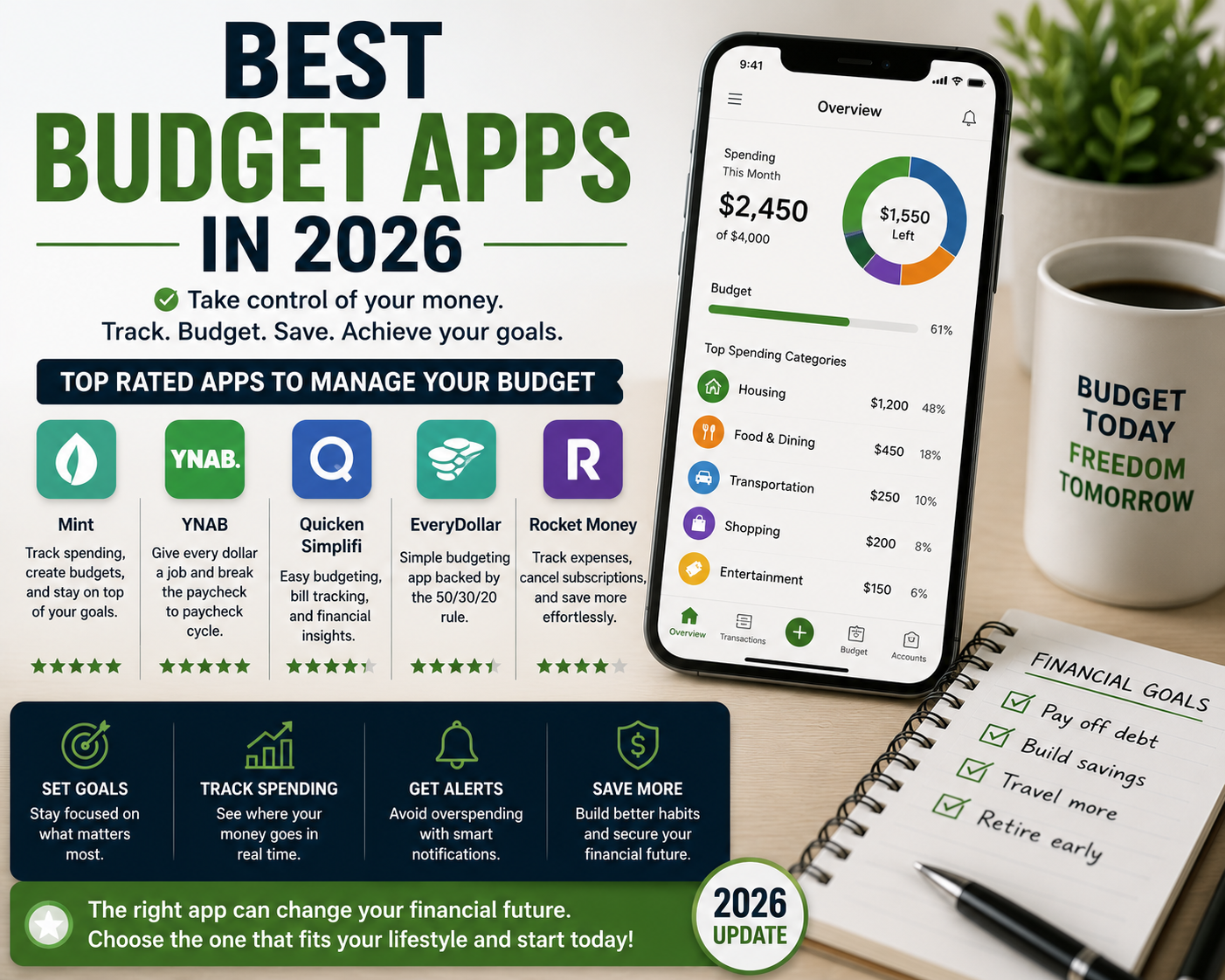
The Best Budgeting Apps of 2026: Mastering Your Money in the Digital Age
Navigating personal finance in 2026 requires more than just a spreadsheet. We review the top budget apps helping Americans combat inflation and reach financial independence today.
Read More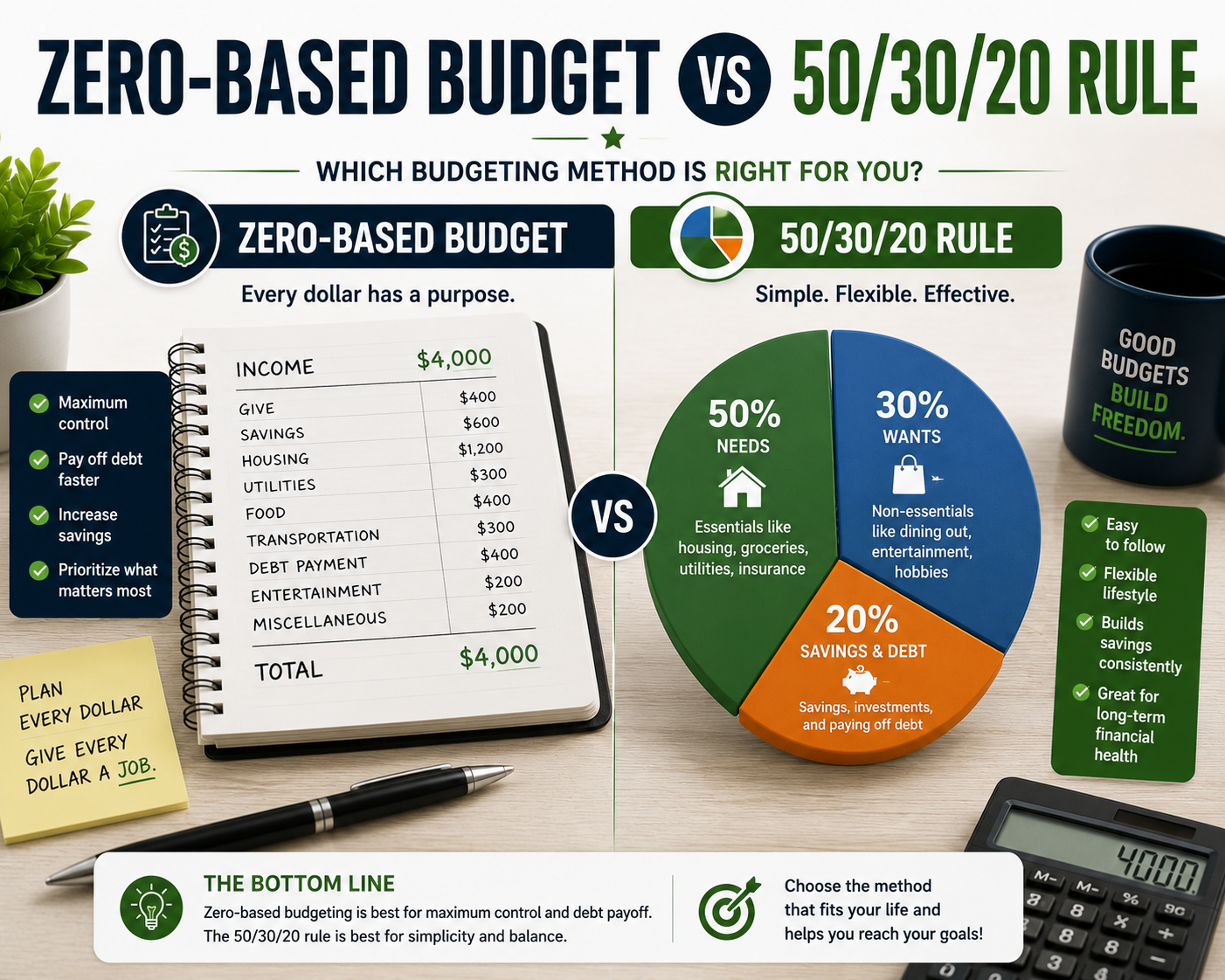
Zero-Based Budget vs. 50/30/20 Rule: Choosing the Best Framework for 2026
In the evolving economic landscape of 2026, choosing between a Zero-Based Budget and the 50/30/20 Rule depends on your financial granularity. Discover which system offers the stability you need.
Read More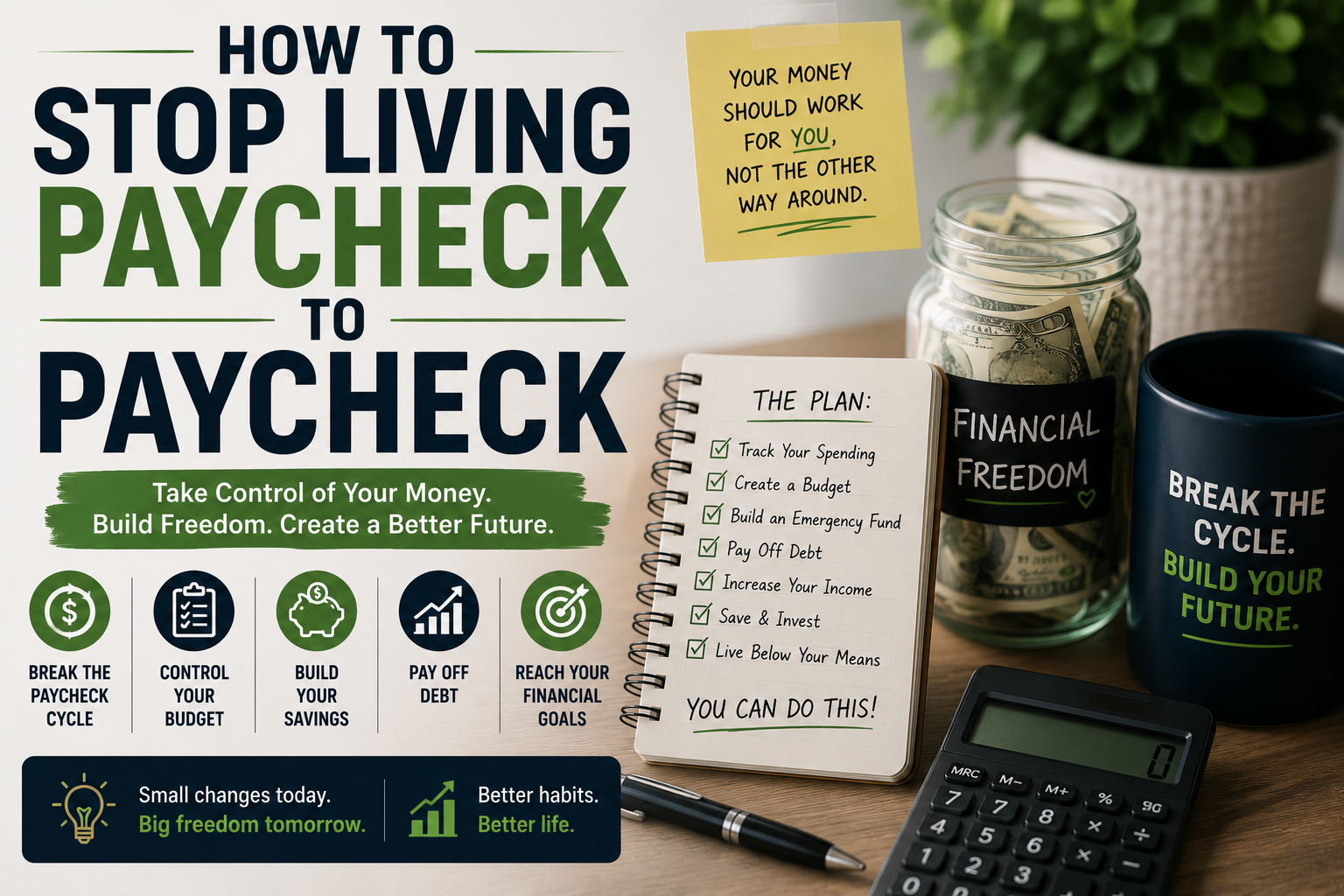
How to Stop Living Paycheck to Paycheck: A Strategic Financial Guide for 2026
Living paycheck to paycheck remains a reality for more than half of Americans. In 2026, shifting economic landscapes require a tactical approach to cash flow management, automated savings, and strategic debt reduction to secure lasting financial freedom.
Read MoreRecommended Guides
Pick a financial goal and follow our step-by-step roadmap.
Popular Resources
Free calculators, templates and trusted finance tools.
Join Thousands of Readers Building Wealth Smarter
Get weekly financial insights, investing strategies, money-saving tips, and wealth-building guidance delivered directly to your inbox.
- Double opt-in
- No spam, ever
- Unsubscribe anytime